


Mascara itself is not bad for your eyelashes. A standard mascara formula, worn during the day and removed properly at night, does not damage healthy lashes. What actually causes breakage, thinning, and irritation is the habits around mascara: sleeping in it, scrubbing it off, using an expired tube, and curling your lashes after applying it. In other words, your lashes are rarely harmed by the product. They are harmed by how the product is used and removed. The American Optometric Association makes the same point: most lash problems come from habits and hygiene, not from mascara itself.
That is good news, because habits are easy to fix. Here is a clear look at which mascara habits genuinely damage lashes, which worries are myths, and how to keep your natural lashes strong while wearing mascara as often as you like.
The Habits That Actually Damage Lashes
Sleeping in your mascara
This is the worst offender. Mascara stiffens lashes as it dries, and stiff lashes pressed against a pillow all night snap far more easily than bare, flexible ones. Sleeping in mascara also lets pigment, wax, and bacteria sit against the lash line for hours, which can irritate the eyes and clog the tiny glands along the lid margin. If your lashes seem shorter or sparser than they used to be, late-night removal is the first habit to check.
Rough removal
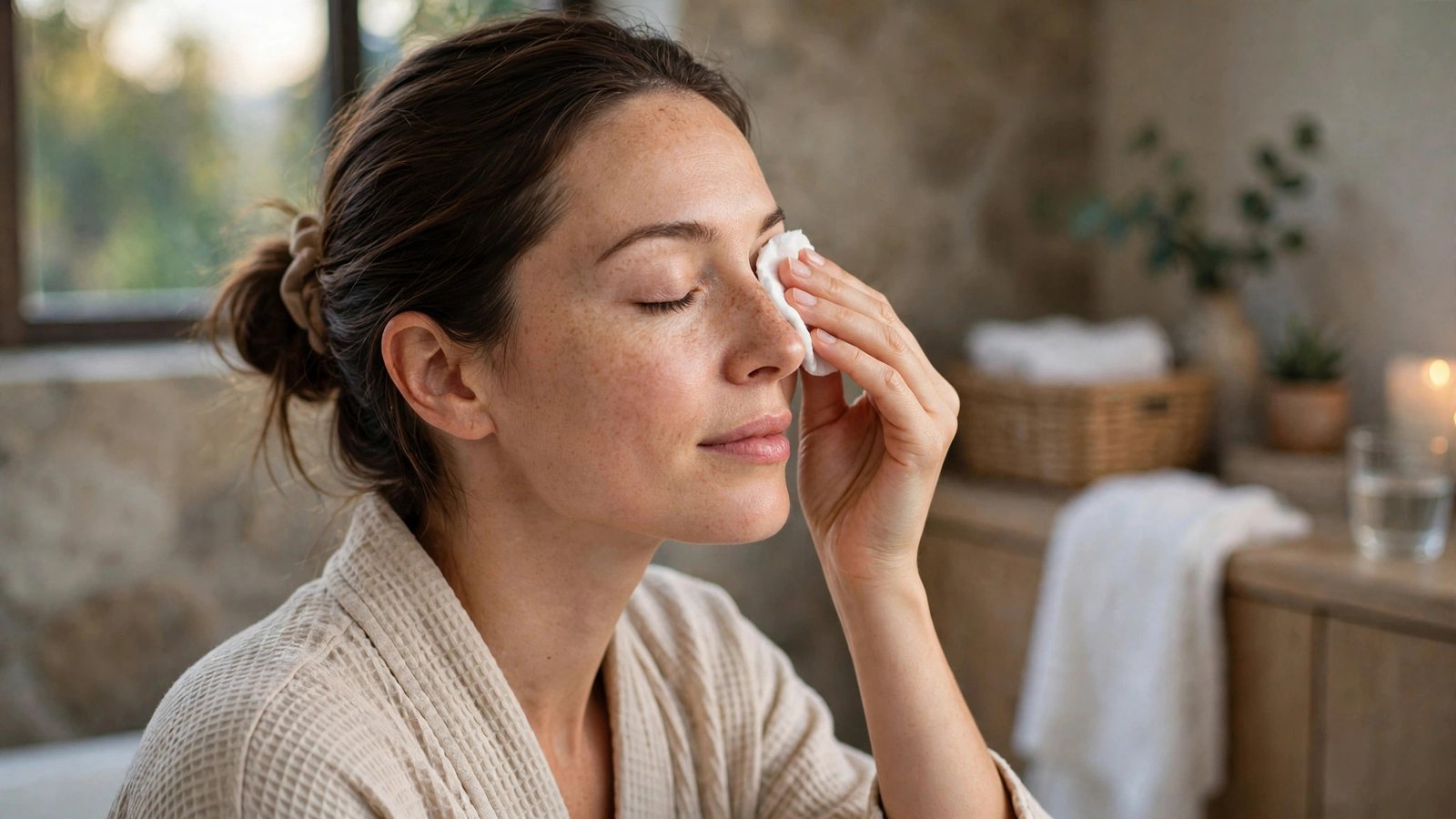
Tugging, rubbing, and pulling at mascara is the other major cause of lash loss. Lashes are fine hairs with shallow roots, and aggressive rubbing can pull them out before their natural shedding cycle. Waterproof mascara makes this worse because it resists gentle cleansers, tempting you to scrub harder. The fix is patience: saturate a pad with remover, press it against the closed eye for 20 to 30 seconds to dissolve the product, then sweep downward. Mascara should slide off, not be fought off. Gentler formulas help too, and Mascaras Insider rounds up the least harsh options.
Using expired mascara
Mascara has one of the shortest lifespans of any makeup product. Liquid formulas that are repeatedly exposed to air and to a wand that touches your eyes should be replaced about every three months. Old mascara becomes dry and clumpy, so it applies unevenly and flakes into the eyes, and the preservative system weakens over time, raising the risk of bacterial contamination and eye irritation. If a tube smells off, has turned gloopy, or has been in your bag since last season, retire it.
Curling after mascara
A lash curler should always be used on clean, bare lashes. Curling after mascara coats the lashes in a stiff film, and the pressure of the curler can crack that film and snap the lash shaft, or stick lashes to the curler pad and pull them out. Curl first, then apply mascara while the curl sets.
Habits vs. Reality: A Quick Comparison
| Habit | Real risk to lashes | Why |
|---|---|---|
| Wearing mascara daily, removed gently | Low | Lashes tolerate modern formulas well |
| Sleeping in mascara | High | Stiff lashes snap against the pillow; irritation builds |
| Scrubbing mascara off | High | Pulls lashes out before their natural cycle |
| Using a tube for 6+ months | Medium to high | Bacterial growth, flaking, dry clumpy application |
| Curling after mascara | High | Pressure snaps coated lashes or sticks them to the pad |
| Wearing waterproof mascara daily | Medium | Removal takes more effort, which adds friction over time |
What Mascara Does Not Do
A few common fears about mascara are not supported by how lashes actually grow:
- Mascara does not stop lashes from growing. Lashes grow from follicles in the eyelid on a cycle of roughly one to three months, and a coating on the visible shaft does not affect the follicle.
- Mascara does not permanently thin your lashes. If lashes look thinner after a period of heavy wear, the cause is almost always breakage or early shedding from the habits above, and lashes regrow on their normal cycle once the habit stops.
- Taking a break is optional, not required. There is no medical need to give lashes rest days if you remove mascara gently and keep tubes fresh. A break can help if your lashes are already damaged, simply because it removes the temptation to rub and tug while they recover.
How to Wear Mascara Without Hurting Your Lashes
- Remove it every night, no exceptions. Keep remover by the bed if you have to. Even a quick micellar water pass is far better than sleeping in it.
- Press and hold, never rub. Give your remover time to dissolve mascara before you move the pad.
- Replace tubes every three months and never share mascara with anyone else.
- Curl before mascara, always.
- Save waterproof formulas for occasions. Weddings, swimming, and humid days are what they are for. Daily wear means daily hard removal.
- Skip pumping the wand. Pumping pushes air into the tube, drying the formula out faster and introducing more bacteria.
- Condition if your lashes feel dry. A light lash conditioner or a touch of a gentle, eye-safe oil on the lash lengths at night can reduce brittleness, kept away from the eyes themselves if you wear extensions or have sensitive eyes.
How Long Do Lashes Take to Recover?
If your lashes are looking sparse after months of rough removal or sleeping in mascara, the recovery timeline is set by the lash growth cycle rather than by any product. Lashes grow, rest, and shed over a cycle of roughly six to ten weeks, so most people see a clear improvement within about two months of fixing their habits. During that window, the best support you can give them is boring consistency: gentle removal every night, no curling after mascara, fresh tubes, and a lighter hand with waterproof formulas. Lash conditioning products can help the existing shafts feel less brittle, but nothing you apply to the surface speeds up the follicle itself. Be patient, and judge your progress monthly rather than daily, because new growth comes in gradually and is easy to miss day to day. If you are repairing your lashes, the lash serum reviews at Serums Insider cover the conditioning side of recovery.
When to See a Doctor
Most mascara-related lash problems resolve once the habit changes. See an eye doctor or dermatologist if you notice persistent redness or swelling along the lash line, crusting or flaking that does not clear up, a stye that keeps returning, or lashes falling out in patches. These can be signs of blepharitis, an allergic reaction to an ingredient, or another condition that needs proper treatment rather than a product swap.
The bottom line: keep the mascara, fix the routine. Gentle removal, fresh tubes, and curling in the right order are all it takes for most people to wear mascara daily with healthy lashes.
Frequently Asked Questions
Is it bad to wear mascara every day?
No, not if you remove it properly each night and replace the tube regularly. Daily wear with gentle removal is fine for healthy lashes. The damage people blame on daily mascara usually comes from sleeping in it or scrubbing it off.
Does mascara make your eyelashes fall out?
Mascara does not make lashes fall out on its own. Lashes shed naturally every few weeks as part of their growth cycle. Breakage and early shedding happen when lashes are rubbed, pulled during removal, snapped while stiff with dried mascara overnight, or caught in a curler used after application.
How often should you replace mascara?
About every three months. Mascara is used close to the eyes and the wand re-enters the tube after every use, so bacteria build up faster than in most products. Replace it sooner if it smells unusual, becomes clumpy, or starts to irritate your eyes.
Is waterproof mascara worse for your lashes?
The formula itself is not more damaging, but removing it is. Waterproof mascara needs more time, more product, and often more friction to come off, and that repeated effort is what weakens and pulls lashes. It is best kept for occasional wear rather than every day.