


Yes, sleeping with mascara on is bad for your lashes and eyes, though a single accidental night is not a disaster. The real problems build up with repetition: mascara left on overnight stiffens your lashes so they break and shed more easily, and dried product can clog the tiny oil glands along your lash line and irritate your eyes. Making it a nightly habit is where the damage happens. The American Optometric Association likewise advises removing eye makeup before bed to keep the lash line healthy.
Everyone has woken up after a long day with yesterday’s makeup still on. The good news is that your lashes can handle the occasional lapse. The better news is that understanding what actually happens overnight makes it much easier to build the two-minute removal habit that keeps lashes healthy. Here is what mascara does to your lashes and eyes while you sleep, and how to remove it properly when you are tired. If late nights are the issue, the easy-removal picks at Mascara Insider make the nightly routine quicker.
What Happens to Your Lashes Overnight
Mascara is designed to coat each lash in a film of wax, pigment, and polymers. While you are awake, that coating is fine. While you sleep, two things change: the product dries out further, and your face spends hours pressed against a pillow.
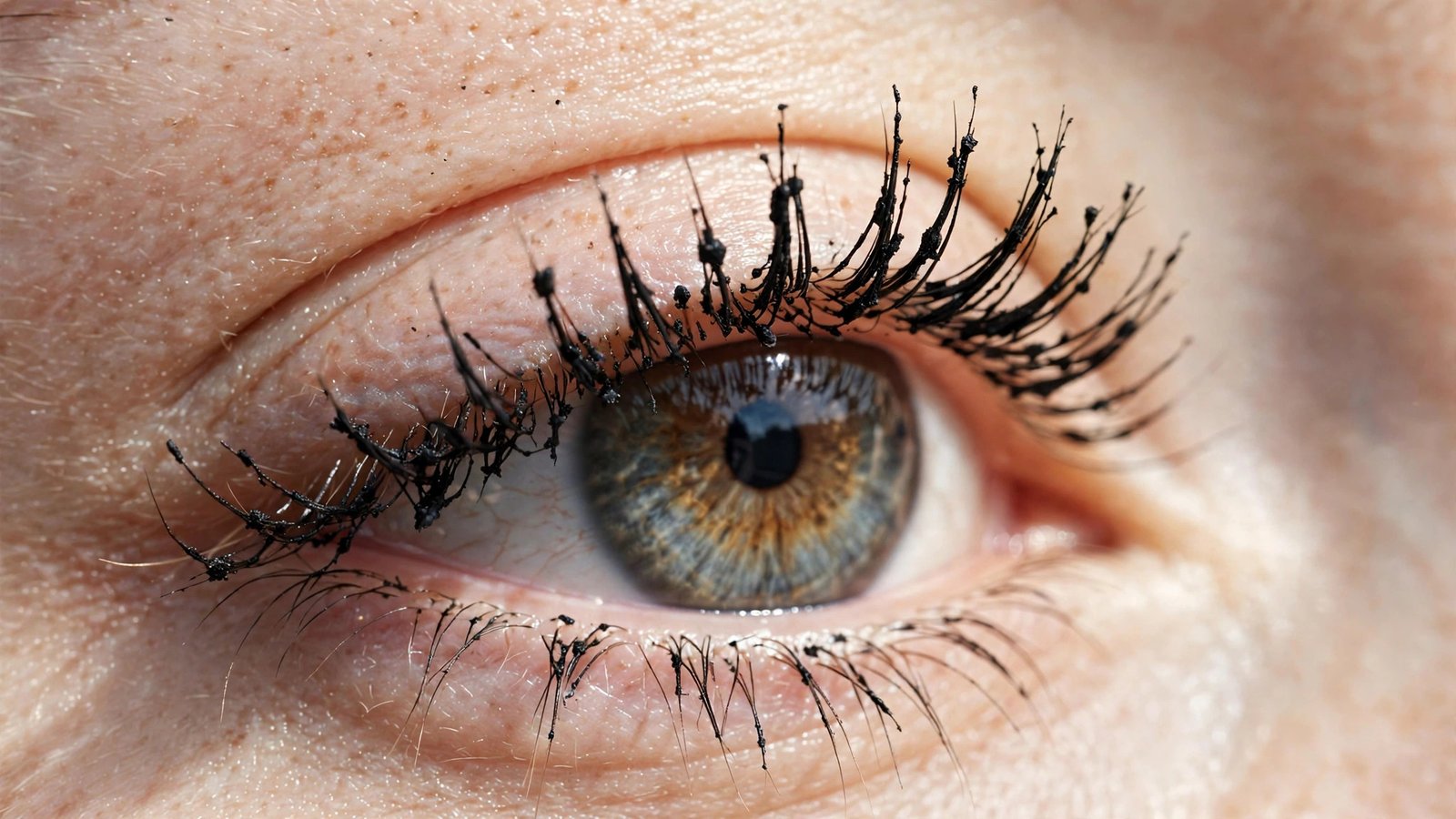
Dried mascara makes lashes stiff and brittle. Flexible lashes bend when they rub against bedding; stiff, coated lashes snap instead. Every toss and turn puts small stresses on the lash line, and over time that friction leads to:
- Breakage along the lash shaft, leaving lashes looking shorter and uneven.
- Extra shedding, as weakened lashes release from the follicle earlier than they should.
- Thinner-looking lash lines over months, simply because lashes are breaking faster than they regrow.
Lashes grow slowly, with a full cycle taking several weeks to a few months, so damage from rough nights accumulates faster than your lashes can replace it.
What Happens to Your Eyes and Lash Line
Your eyes are the other half of the story. Along the edge of each eyelid sits a row of tiny oil glands, called meibomian glands, that release oils into your tears and keep your eyes comfortable. Dried mascara flakes and residue can block the openings of these glands. Blocked glands are a common contributor to irritated, dry-feeling eyes and to styes, the small painful bumps that form on the lash line.
Overnight, flakes of mascara can also migrate into the eye itself. That can leave you waking up with:
- Redness and a gritty, irritated feeling.
- Itchy eyelids and lash lines.
- Crusty residue along the lashes in the morning.
- A higher chance of rubbing your eyes, which stresses lashes even more.
For contact lens wearers, the case for removing mascara is stronger still, since product residue and overnight dryness make lenses less comfortable and eyes more prone to irritation. None of this means one forgotten night causes lasting harm. It means the habit, repeated nightly, stacks small stresses on a delicate area.
One Night vs. Every Night
It helps to keep the risk in proportion. If you fall asleep in mascara once in a while, the realistic outcome is smudged pillowcases, some flaking, and maybe mild morning irritation. Wash your face in the morning, be gentle with the lash line, and move on.
The pattern to avoid is the regular one. Night after night of stiffened lashes against a pillow is what leads to visible thinning, and night after night of residue along the lash line is what keeps glands clogged and eyes irritated. Think of it the way you think about sleeping in the rest of your makeup: an occasional lapse is human, a routine is a problem. If you know late nights are common for you, keep remover wipes or micellar water by the bed; a half-asleep thirty-second cleanse is far better for your lashes than a perfect routine you skip entirely.
How to Remove Mascara Properly (Even When You Are Exhausted)
The removal method matters almost as much as removing it at all. Scrubbing at dried mascara with a dry cotton pad drags on lashes and causes the same breakage you are trying to avoid. A gentler approach takes about two minutes:
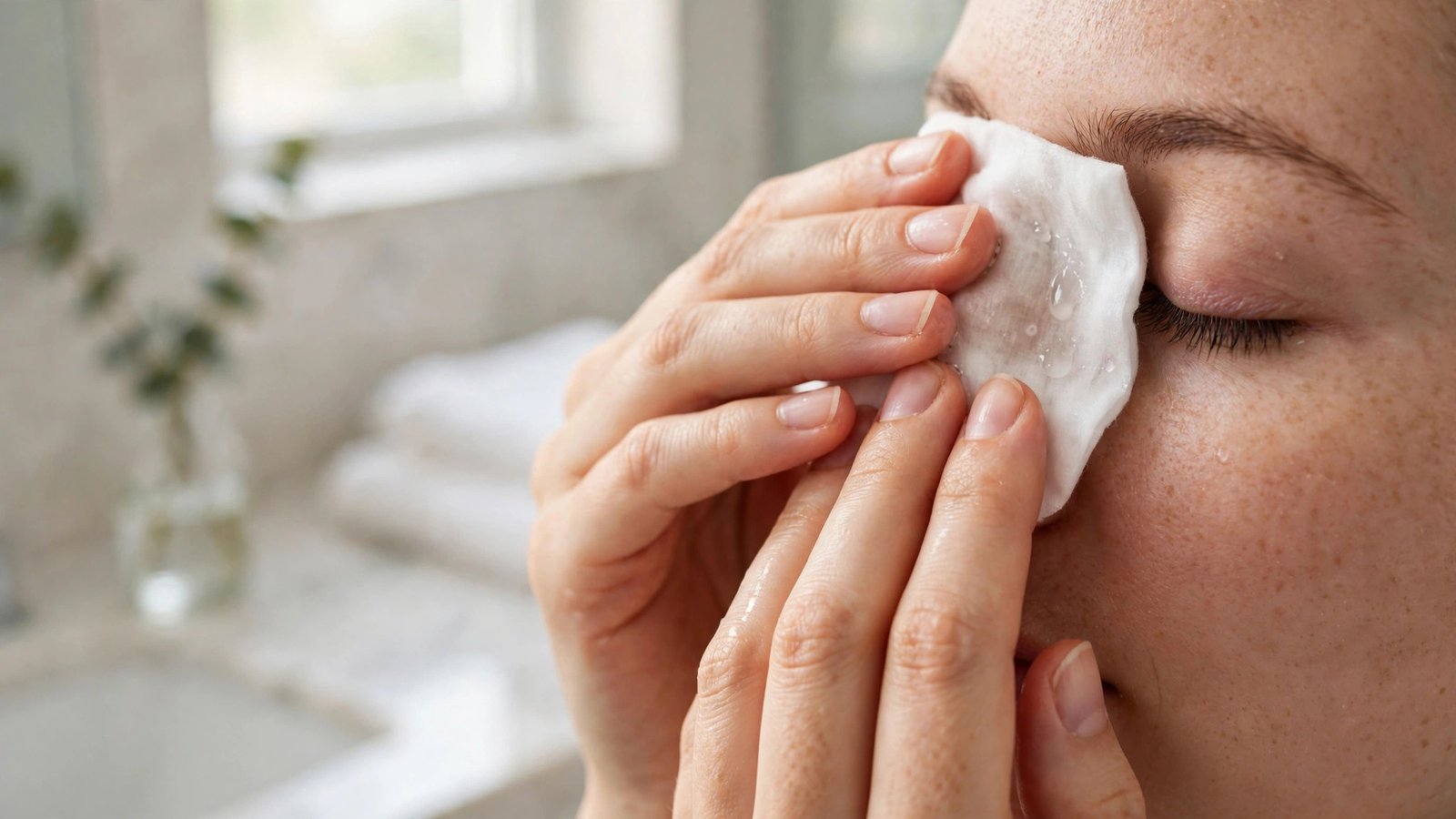
- Saturate a cotton pad with makeup remover or micellar water.
- Press and hold the pad against your closed eye for 20 to 30 seconds. This soaking step dissolves the waxes and film formers so the product loosens instead of being dragged off.
- Sweep downward gently, following the direction of the lashes. Repeat with a fresh pad until it comes away mostly clean.
- Wash your face with a gentle cleanser to clear residue from the lash line.
- Pat dry and leave lashes bare overnight so they stay flexible.
For waterproof mascara, use a remover made for waterproof formulas and give it a longer soak. For tubing mascara, warm water alone does the job: soak, then slide the tubes off with gentle downward pressure.
Keeping Lashes Healthy Beyond Removal
Removing mascara nightly is the foundation, but a few small habits support lash health around it:
- Replace mascara regularly. Most guidance suggests tossing a tube after about three months, since the wand carries bacteria back into the product with every use.
- Never share mascara, and avoid pumping the wand, which pushes air and contaminants into the tube.
- Skip the lash curler after mascara. Curl bare lashes before applying product; curling coated lashes increases breakage.
- Be gentle with false lashes and extensions, and remove adhesive fully rather than peeling residue away.
- Give lashes bare nights. Even if you wear mascara daily, fully clean lashes at night let the lash line reset.
The Bottom Line
Sleeping in mascara once in a while will not ruin your lashes, but doing it regularly will leave them brittle, broken, and thinner looking, while residue irritates your eyes and clogs the oil glands along your lash line. The fix is simple and fast: soak, sweep gently, and wash. Two minutes at the sink is a small price for keeping the lashes you have.
Frequently Asked Questions
Is it bad to sleep with mascara on just once?
Not really. A single night typically causes nothing worse than smudging, flaking, and possibly mild irritation in the morning. Remove it gently when you wake up and avoid making it a habit. The damage comes from repetition, not from an occasional accident.
Can sleeping in mascara make your eyelashes fall out?
It can contribute to it. Mascara stiffens lashes as it dries, and stiff lashes pressed against a pillow are more likely to break and shed. Over time, regular overnight wear can make the lash line look noticeably thinner, especially since lashes regrow slowly.
Why do my eyes feel gritty after sleeping in mascara?
Dried mascara flakes can migrate into the eyes and irritate the surface, and residue can block the oil glands along the lash line that keep tears stable. Both lead to that dry, gritty morning feeling. Gentle removal and a proper face wash usually clear it up.
What is the fastest way to remove mascara at night?
Hold a remover-soaked cotton pad on each closed eye for about 30 seconds, then sweep downward. The soak does the work, so you do not have to rub. If you wear tubing mascara, warm water and gentle downward pressure remove it in under a minute with no remover at all.