
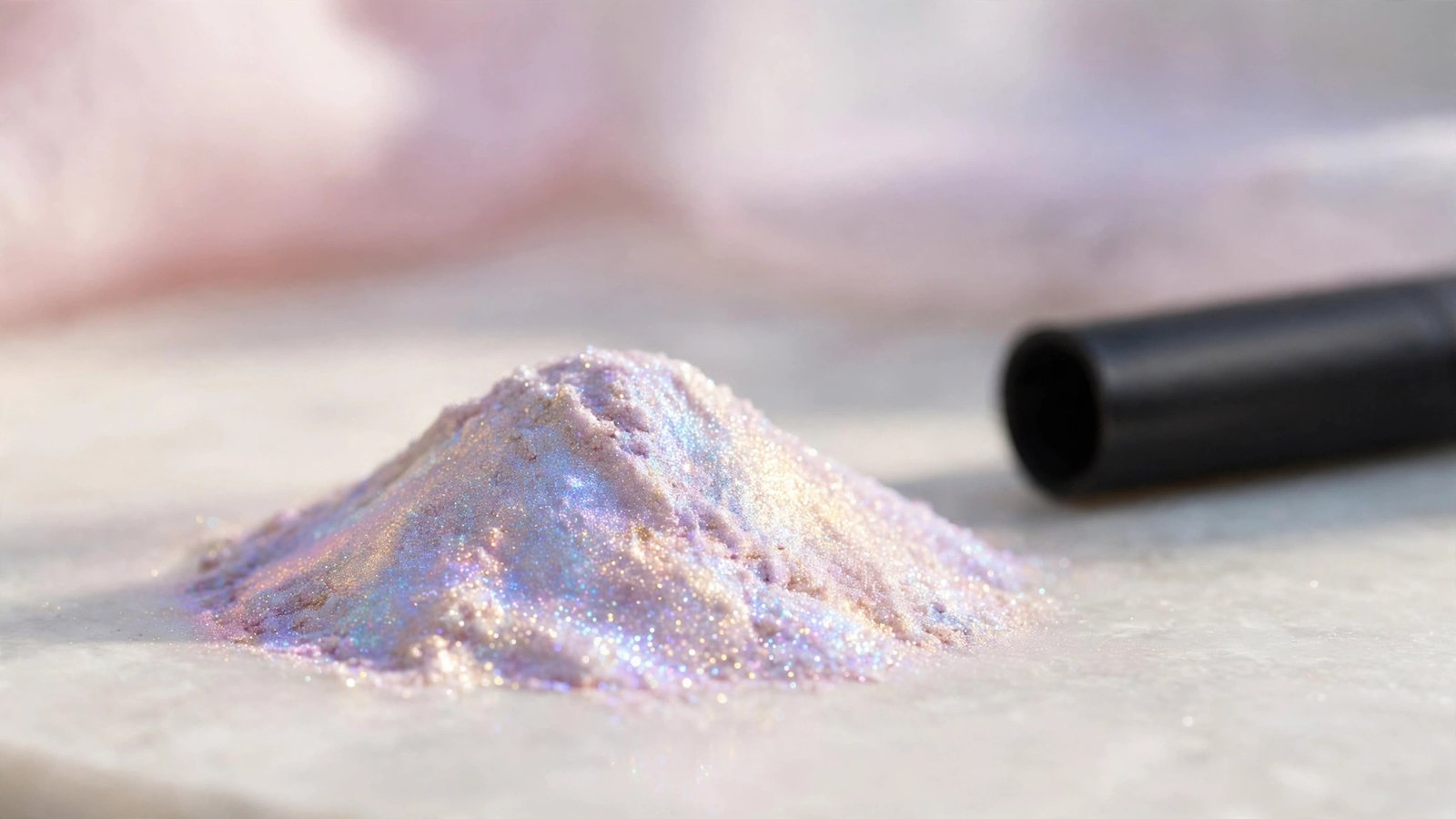

No, mascara is not made from bat poop, and it never has been. The rumor comes from a mix-up between two similar-sounding words: guano and guanine. Guano is bat droppings, while guanine is a completely different ingredient, a pearly substance that adds shimmer to some cosmetics. Somewhere along the way, the two words got tangled together, and the myth has been circulating ever since. You can verify any ingredient yourself, since the FDA cosmetics labeling rules require the full list on the packaging.
It is an easy mistake to understand. Both words look alike, both sound a little exotic, and the idea is just gross enough to stick in people’s minds. But once you look at what is actually inside a modern tube of mascara, the bat poop story falls apart quickly. Here is where the confusion started, what guanine really is, and what your mascara is genuinely made from.
Where the Bat Poop Myth Came From
The myth starts with the word guano. Guano is the accumulated droppings of bats and seabirds, and it has historically been collected and used as a fertilizer because it is rich in nitrogen. It has never been a cosmetic ingredient, and no beauty regulator anywhere lists it as one. For more myth-busting and ingredient explainers, Mascaras Insider digs into what is actually in the tube.
Guanine, on the other hand, is a real cosmetic ingredient with a similar name. Guanine is a naturally occurring compound found in many living things. In cosmetics, it has been used as a colorant and shimmer agent because its tiny crystals reflect light, giving products a pearly, luminous finish. The word guanine itself is actually connected to guano in an old scientific sense: the compound was first isolated in the 1840s from guano samples, which is how it got its name. That historical footnote is probably what welded the two ideas together in the public imagination.
So the chain of confusion goes like this: guanine was named after the substance it was first extracted from, guanine later turned up in shimmery cosmetics, and people who heard “guanine” assumed it meant “made from bat droppings.” The name stuck around; the actual ingredient in your makeup bag is a different story.
What Guanine Actually Is and Where It Comes From
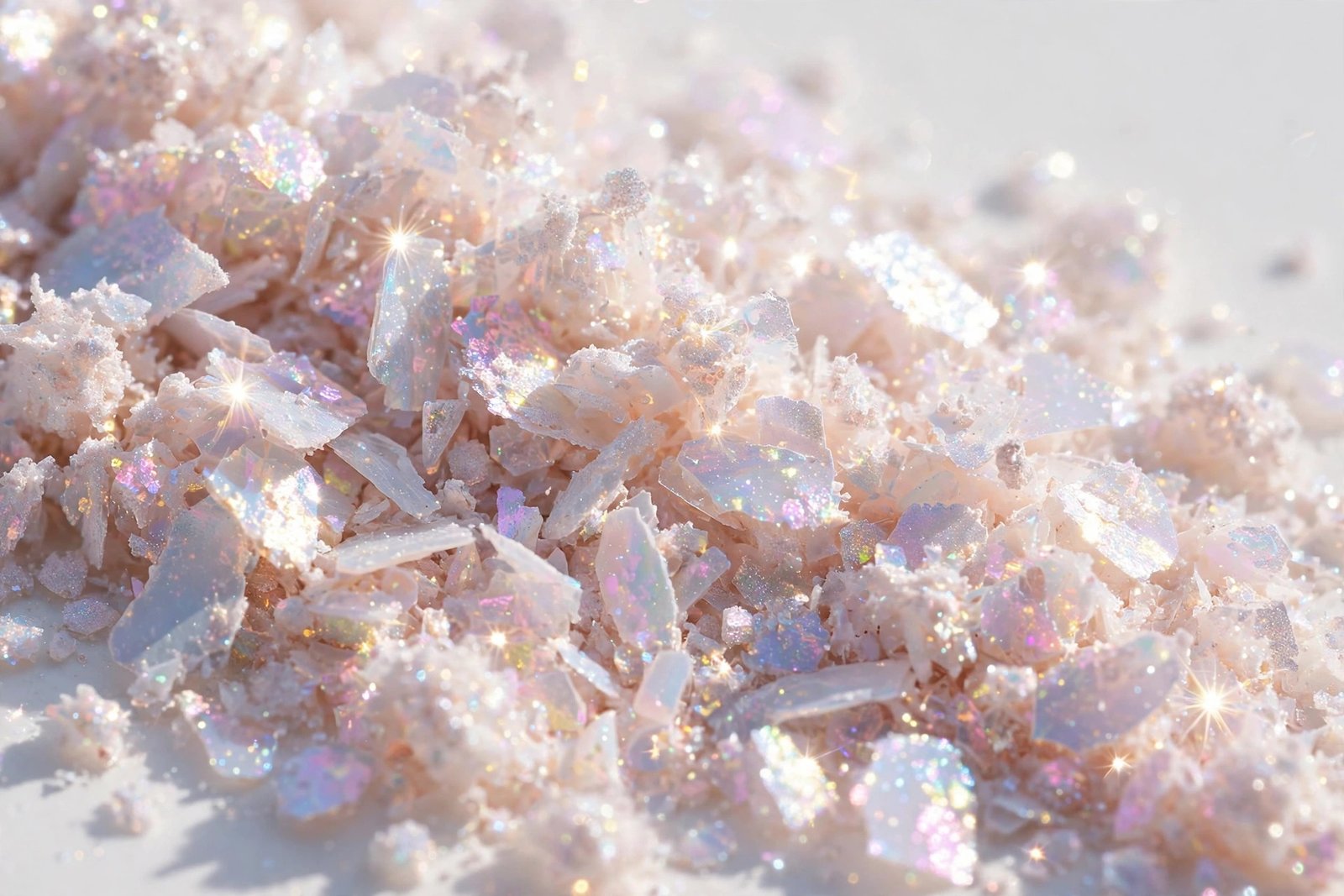
Guanine is one of the building blocks of DNA, present in your own body and in nearly every living organism. In the cosmetics world, it is prized for one thing: sparkle. Ground into fine crystals, it creates a soft pearlescent glow, the kind you see in shimmery eyeshadows, highlighters, nail polishes, and some bath products.
Traditionally, cosmetic guanine was sourced from fish scales. Fish scales naturally contain guanine crystals, and processing them produced a shimmering material sometimes called pearl essence. That is still the classic source, though today a great deal of guanine used in cosmetics is produced synthetically in a lab, which gives manufacturers a consistent, controlled supply.
A few important points clear up most of the confusion:
- Guanine appears mainly in shimmer and pearl-finish products, not in everyday matte formulas.
- It is not a standard mascara ingredient. Most mascaras get their color from iron oxide pigments, not from shimmer crystals.
- Even in products that do contain guanine, it comes from fish scales or a lab, not from bats.
- Ingredient labels list it as “guanine” or by its color index number, CI 75170, so you can spot it yourself.
What Is Actually in Modern Mascara
A typical modern mascara is a fairly simple emulsion built from a handful of ingredient families. Once you know them, the formula stops looking mysterious.
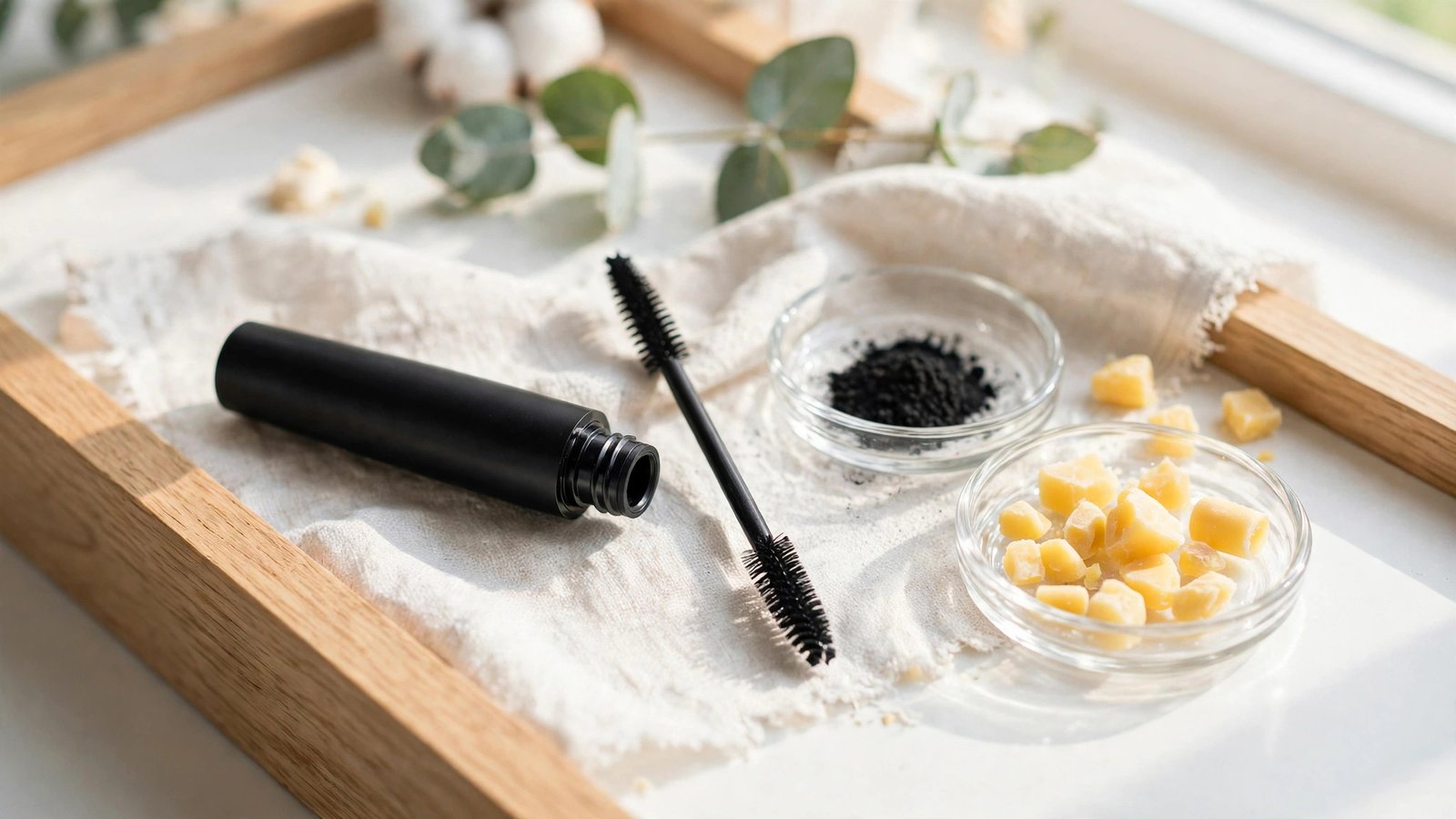
- Waxes such as beeswax, carnauba wax, and candelilla wax give mascara its body and help it coat and thicken each lash.
- Pigments, usually iron oxides, provide the color. Black mascara typically uses black iron oxide, and brown shades use blends of iron oxides.
- Film formers are polymers that wrap the lash in a thin coating, helping the mascara resist smudging and hold curl through the day.
- Water is the base of most washable formulas, carrying the other ingredients and letting the product spread evenly.
- Emulsifiers and preservatives keep the mixture stable and safe to use around the eyes for its shelf life.
That is the whole picture: wax, pigment, polymer, and water. No animal droppings, no guano, and nothing sourced from a bat cave.
Why the Myth Refuses to Die
Myths like this one survive because they are memorable. “Your mascara contains bat poop” is the kind of claim people repeat at parties and in group chats, and repetition makes things feel true. It also plays on a real anxiety: most of us apply products near our eyes every day without knowing much about what is in them.
There is a kernel of legitimate curiosity underneath the rumor, though. Cosmetics do use some surprising ingredients with unusual origins, from fish scale shimmer to lanolin from sheep’s wool. Asking questions about ingredient lists is a good habit. The answer in this case just happens to be reassuring: the ingredient with the confusing name is a shimmer crystal, and the droppings never made it into the tube.
If you want to check your own products, flip them over and read the ingredient list. Cosmetics sold in the US and the EU must declare their ingredients, and you will find names like iron oxides, beeswax (cera alba), carnauba wax, and various polymers. Guanine, when present at all, is declared openly as guanine or CI 75170.
How to Read a Mascara Ingredient List
You do not need a chemistry degree to make sense of a mascara label. Ingredients are listed in descending order by concentration, so the first few items make up most of the formula. In a typical tube you will see water first, then waxes and stearic acid, then pigments and film formers further down.
A few tips for reading labels with confidence:
- Look for iron oxides (CI 77491, CI 77492, CI 77499) to confirm standard mineral pigments are the color source.
- Waxes appear under names like beeswax, cera alba, copernicia cerifera (carnauba), and euphorbia cerifera (candelilla).
- Film formers often appear as acrylates copolymer, VP/eicosene copolymer, or similar polymer names.
- If a product promises shimmer, guanine (CI 75170) or mica may appear. Both are mineral-style shimmer agents, not animal waste.
The Bottom Line
Mascara is not made from bat poop. The myth is a case of mistaken identity between guano, which is fertilizer-grade droppings, and guanine, a shimmer ingredient named after a historical extraction source but obtained from fish scales or made synthetically. Modern mascara is built from waxes, iron oxide pigments, film-forming polymers, and water. If the rumor has ever made you hesitate before applying mascara, you can put the worry down: the tube on your dresser is exactly what its label says it is.
Frequently Asked Questions
Does any cosmetic product contain bat poop?
No. Guano is not an approved or used cosmetic ingredient. It is used as a fertilizer. No mascara, lipstick, or other makeup product contains bat droppings, and ingredient regulations in the US and EU require all components to be declared on the label.
Is guanine in my mascara?
Probably not. Guanine is a shimmer ingredient used mostly in pearlescent products like highlighters, some eyeshadows, and nail polish. Standard black and brown mascaras get their color from iron oxide pigments instead. If guanine were present, it would be listed as guanine or CI 75170.
Is guanine safe to use around the eyes?
Guanine has a long history of use in cosmetics and is permitted in products in the US and EU. It is generally considered a low-risk ingredient. As with any product, if you have sensitive eyes, patch test new makeup and stop using anything that causes irritation.
Where does the guanine in cosmetics come from today?
Traditionally it was extracted from fish scales, which naturally contain light-reflecting guanine crystals. Today it is also commonly produced synthetically, giving manufacturers a consistent supply without animal sourcing. Either way, the source is never bats.